
Angioplasty in Nairobi offers specialized treatment options for narrowed or blocked coronary arteries, helping improve blood flow to the heart and support cardiovascular health. Angioplasty in Nairobi includes cardiac evaluation, diagnostic testing, treatment planning, coronary intervention, and coordinated patient care.
Angioplasty in Nairobi provides specialized cardiac care with experienced interventional cardiologists, modern medical facilities, diagnostic services, personalized treatment plans, and professional support for individuals experiencing coronary artery blockages or related heart conditions.
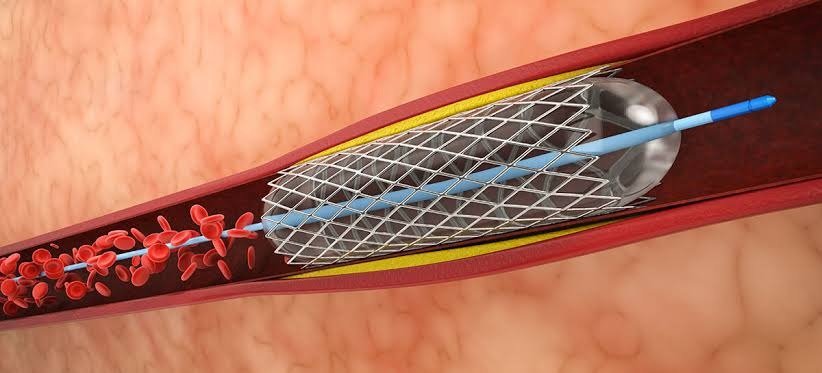
Angioplasty is a minimally invasive cardiac procedure used to improve blood flow through narrowed or blocked coronary arteries. During the procedure, a catheter with a small balloon may be guided to the affected artery, where the balloon is inflated to help widen the narrowed area. A stent may also be placed when clinically appropriate to help keep the artery open. The recommended treatment depends on the patient’s cardiovascular condition, diagnostic findings, medical history, and overall health.
Angioplasty may be considered because it can:
Choosing Angioplasty in Nairobi offers patients access to cardiologists, interventional cardiac specialists, modern medical facilities, diagnostic services, personalized treatment planning, coronary intervention, and coordinated care throughout evaluation, treatment, recovery, and follow-up.
Personalized Cardiac Care
Angioplasty treatment can be planned according to the patient’s cardiovascular health, location and severity of arterial narrowing, symptoms, medical history, risk factors, diagnostic findings, and overall treatment requirements.
Modern Treatment Options
Depending on the patient’s clinical condition and eligibility, specialists may consider different coronary intervention options, including balloon angioplasty, stent placement, and other catheter-based treatments. The appropriate approach is selected after detailed cardiac evaluation and discussion of potential benefits and risks.
Cardiac Health Assessment
A comprehensive cardiovascular assessment may help identify coronary artery narrowing, reduced blood flow, heart-related symptoms, and other cardiovascular concerns. Diagnostic tests may include an ECG, echocardiogram, blood tests, stress testing, coronary imaging, or coronary angiography when clinically required.
Professional Patient Support
Cardiac care may involve interventional cardiologists, cardiologists, cardiac nurses, diagnostic specialists, and other healthcare professionals to provide coordinated support before and after the procedure.
A detailed assessment may include medical history, cardiovascular examination, blood pressure evaluation, ECG, blood tests, cardiac imaging, coronary angiography, and other investigations when required to determine treatment suitability.
Treatment Planning
A customized treatment plan is developed based on factors such as the location and severity of arterial blockage, symptoms, heart function, medical history, risk factors, previous cardiac procedures, and individual cardiovascular requirements.
Pre-Treatment Preparation
Patients may receive guidance regarding prescribed medications, fasting requirements, medical conditions, allergies, lifestyle factors, and other preparations required before coronary intervention. Additional investigations may be recommended when clinically necessary.
Coronary Angioplasty Procedure
Depending on the patient’s condition and treatment plan, a catheter may be introduced through an appropriate blood vessel and guided toward the affected coronary artery. A balloon may be inflated to widen the narrowed section, and a stent may be placed when required to support blood flow.
Recovery & Cardiac Support
After the procedure, patients receive guidance regarding recovery, medications, physical activity, wound care, dietary considerations, warning signs, and other post-procedure requirements. Recovery recommendations may vary according to the individual treatment plan and overall health.
Long-Term Follow-Up
Regular follow-up may include cardiovascular assessments, medication review, blood pressure monitoring, lifestyle guidance, cardiac risk-factor management, and ongoing medical support based on the patient’s condition and treatment requirements.
WhatsApp us